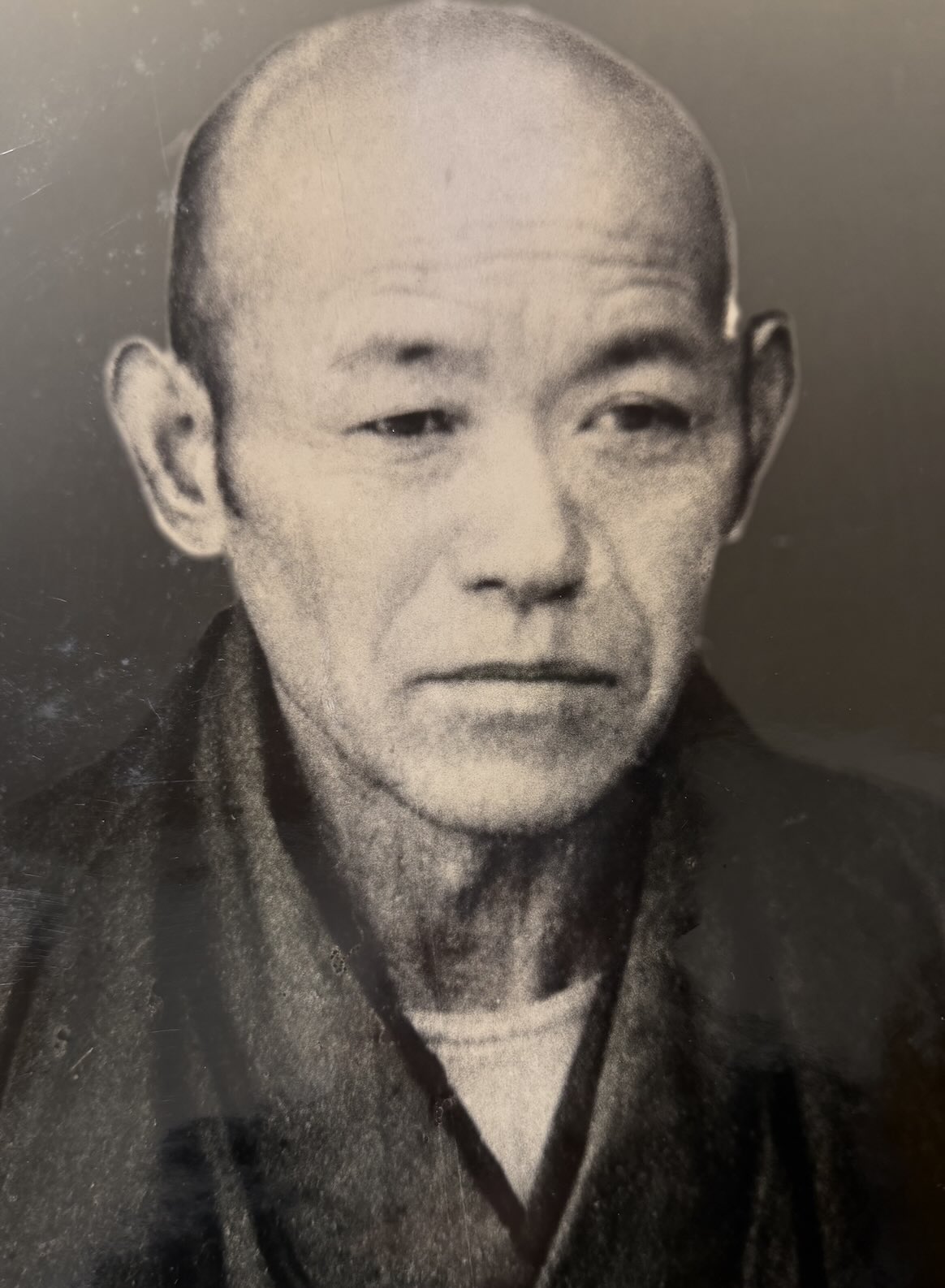
My great-grandfather, Yoshitaro Yoshimura, was born and raised in Oi-juku, one of the post towns on the Nakasendo, not far from Magome.
From the Meiji period into the Showa era, he lived as both a farmer and a bakuro — a horse handler and trader. In the early Showa period, as Japan rapidly strengthened its military, Kiso horses were in especially high demand. People used to say that if one found a good horse, raised it well, and sold it well, it could even pay for a house. Yoshitaro also raised cattle.
He was a hardworking man. Alongside farming, he cared for horses and cattle, hoping to raise them well and sell them for a fair price. Yet, according to my mother, the reality was rarely so simple.
At horse and cattle markets, wholesalers often pushed prices down, and he seldom earned what he had hoped for. Still, on the rare occasion when an animal sold for even slightly more than usual, he became remarkably cheerful.
In those days, the prices of horses and cattle were influenced by the government, associations, and powerful buyers. Many bakuro lived with the dream that their animals might one day sell for a high price. In truth, however, they were often at the mercy of those with greater power.
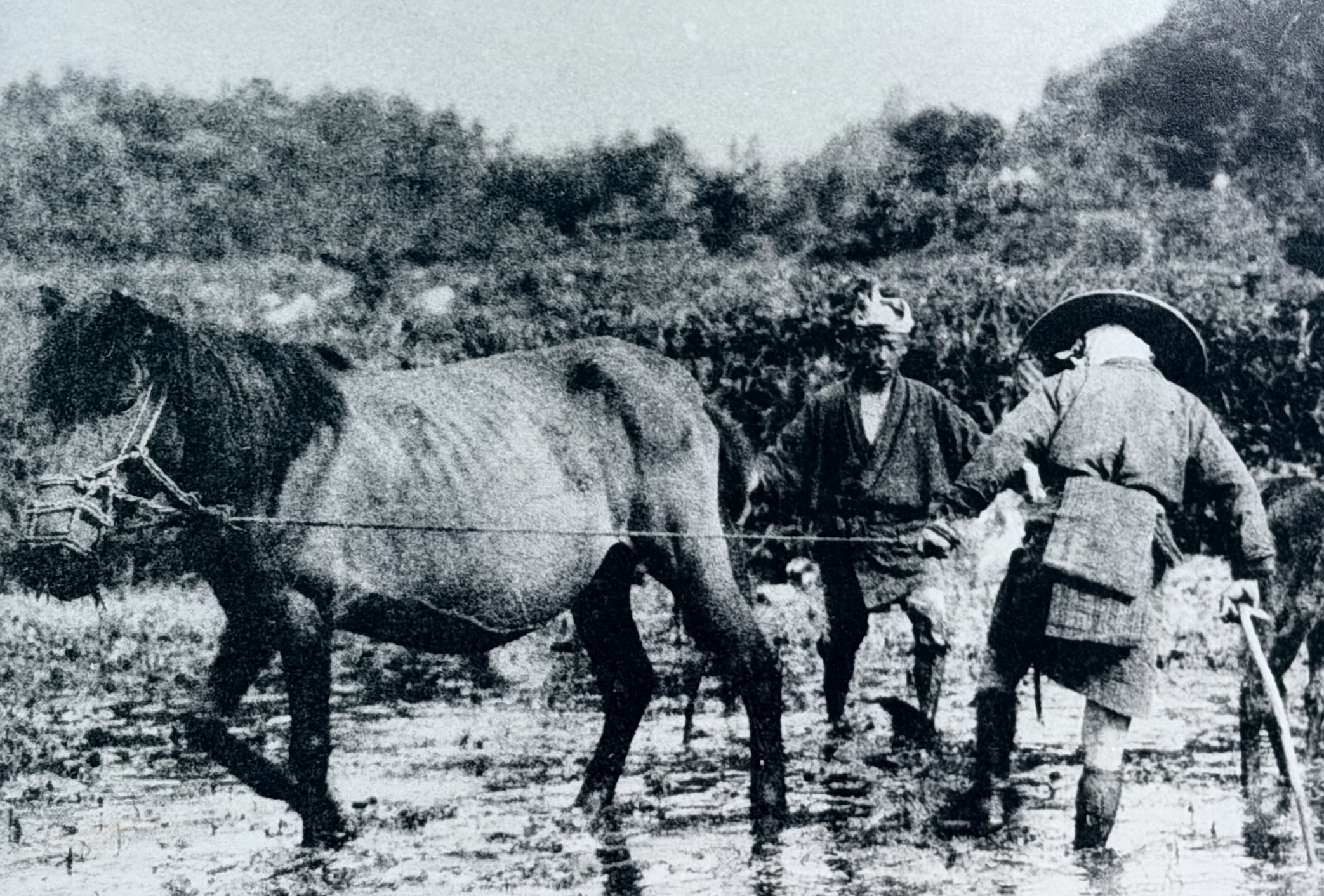
When I walk the Nakasendo today, I do not see only preserved post towns and quiet mountain paths. I also imagine people like Yoshitaro — farmers, horse handlers, traders, and unnamed families — who lived along this road with hope, labor, frustration, and dignity.
For me, the Nakasendo is not simply a historic trail.
It is a place where my own family story still quietly remains.