The Nakasendo Trail is often remembered for its stone-paved paths, mountain passes, and beautifully preserved post towns.
But sometimes, the deepest memories of the Nakasendo are not found in famous views or historic buildings.
They are found in people.
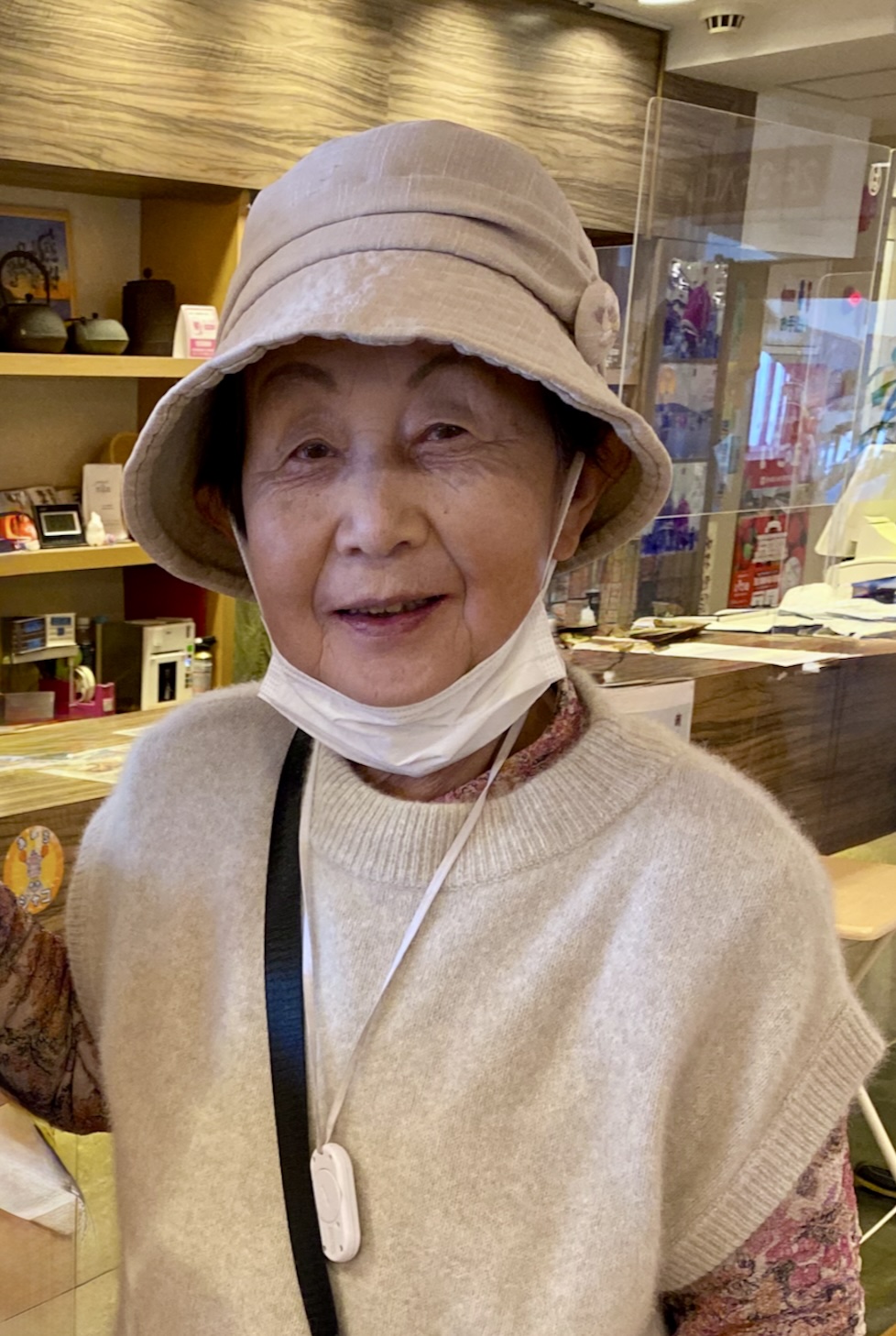
In Magome-juku, one of the most beloved post towns along the old Samurai Road, there is a woman in her seventies.
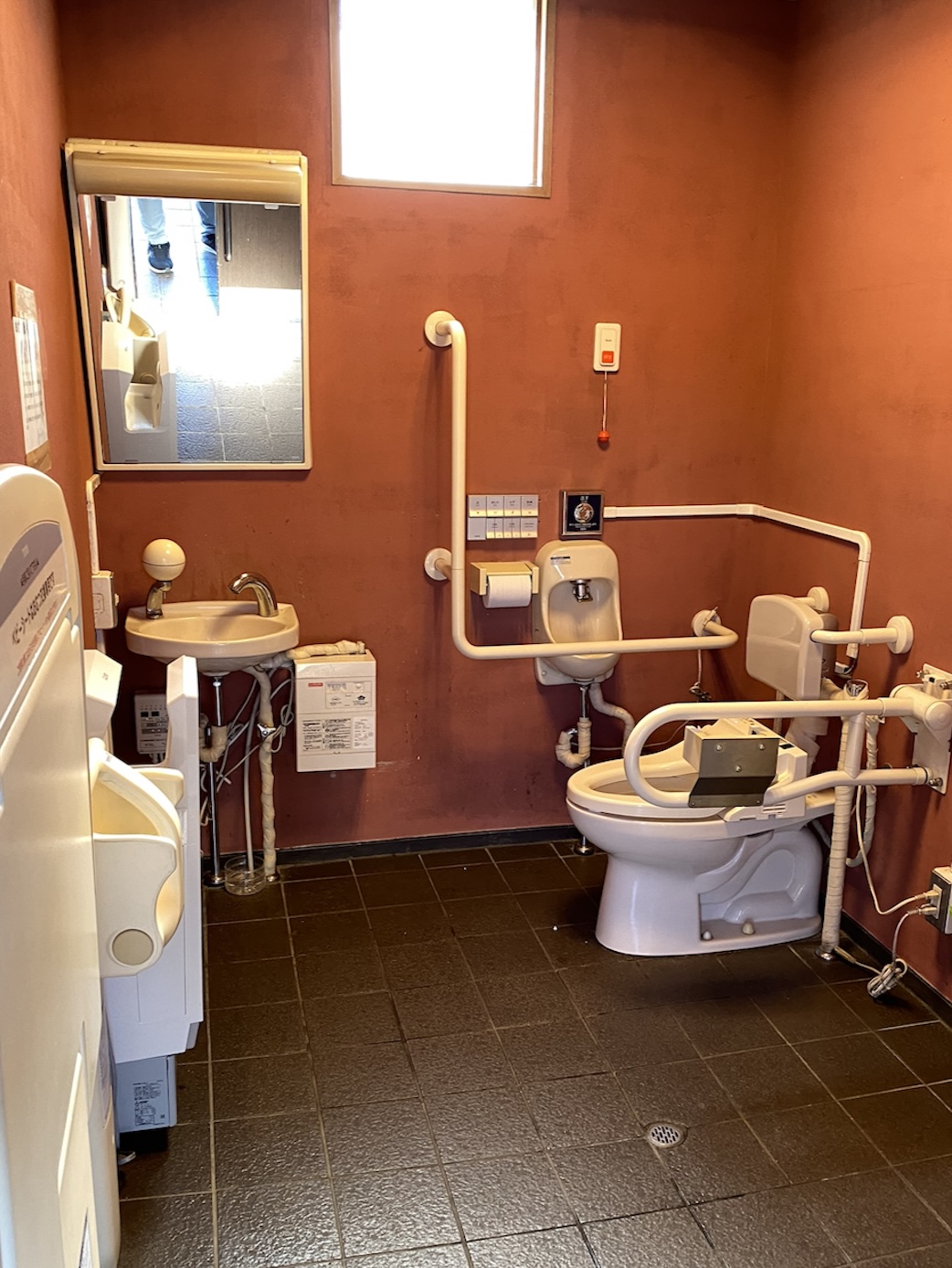
She quietly continues cleaning the public restrooms as a paid volunteer.
She is not doing it to earn a large amount of money.
She is not doing it for recognition.
She simply comes, cleans, smiles, and welcomes the people who pass through the village.
Whenever I see her, she greets travelers with a warm smile.
There is no performance in it.
No explanation.
No desire to impress anyone.
One day, I asked her:
She answered:
And because I can meet many wonderful people.
People like you.”
Those words have stayed with me ever since.
When I guide guests along the Nakasendo and later ask about their impressions of Japan, one comment almost always appears near the top:
People often ask why Japan feels this way.
But there is no single, simple answer.
Perhaps it is influenced by traditions such as Shinto and Buddhism, which value purity and the act of keeping one’s surroundings clean.
Perhaps it is also shaped by education, where these values have long been encouraged from an early age.
Many elements are intertwined.
But when I think of this woman in Magome, I feel something more immediate.
For her, cleaning is not an ideology or a rule.
It has simply become a natural habit.
And when that habit brings comfort and happiness to others, it quietly becomes something more.
A form of virtue.
Behind the beauty of Japan, there are people like her — people who care for a place without being asked, and without expecting anything in return.
To me, this is one of the true forms of Japanese hospitality.
Not luxury in the obvious sense.
Not grand gestures.
But quiet acts of care, repeated day after day.
The Nakasendo is not merely a historic trail.
It is a living road, sustained by small and unseen acts of kindness.
To walk here with a local guide is not simply to see the old post towns.
It is to notice the quiet human stories that make the trail feel alive.