
Frequently Asked Questions
What is the Nakasendo Trail? Best Section of the Nakasendo Trail How Difficult is the Nakasendo Trail? Magome to Tsumago Trail or Narai Nakasendo Trail via Torii Pass? When Is the Best Time to Walk the Nakasendo? Nakasendo for Seniors Nakasendo or Kumano Kodo? Why Walk with a Local Guide? Hidden Nakasendo RouteWhat is the Nakasendo Trail?
The Nakasendo Trail was one of the five major routes of old Japan. It connected Kyoto and Edo, present-day Tokyo, through the mountains of central Japan. Samurai, merchants, pilgrims, and travelers once walked this road on foot.
Today, the Nakasendo is loved by travelers seeking rural Japan, historic post towns, forest paths, clear streams, and quiet mountain villages.
For a more personal guided experience, see Nakasendo Private Tour.
Historic Villages
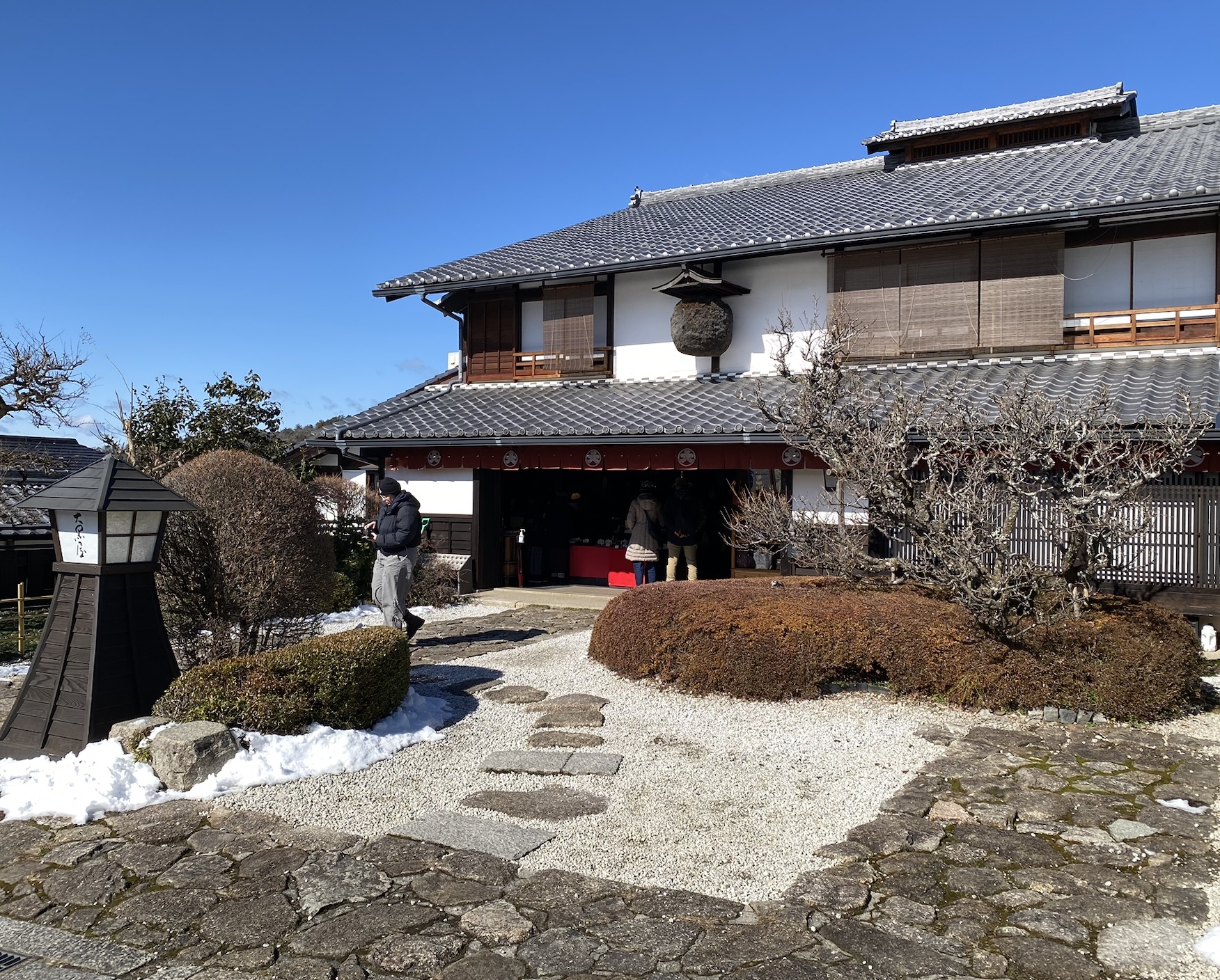
Magome, Tsumago, and Narai are beautiful post towns with traditional wooden houses and the atmosphere of old Japan.
Mountain Landscapes
The trail passes through forests, small villages, waterfalls, rivers, and peaceful mountain scenery.
Authentic Local Experiences
Discover local foods, small shops, old stories, and rural traditions that are difficult to find in big cities.
Best Section of the Nakasendo Trail
Magome to Tsumago trail, Narai Nakasendo Trail via Torii Pass, and Atera Valley, each reveal a different face of the Nakasendo.
Magome to Tsumago Trail or Narai Nakasendo Trail via Torii Pass?
Magome to Tsumago Trail
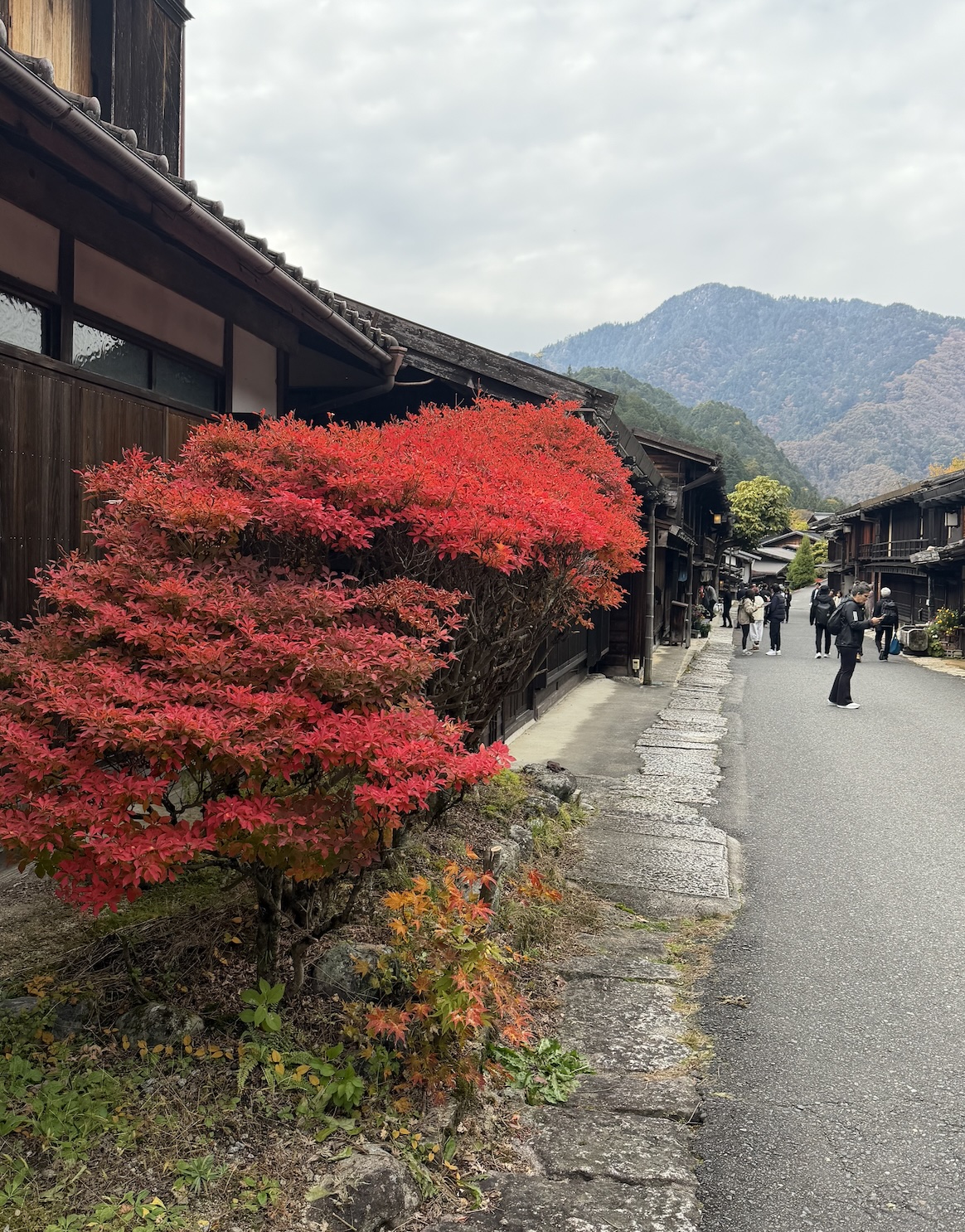
The most popular section of the Nakasendo Trail is the walk from Magome to Tsumago. This route is about 8 kilometers and usually takes around 3 to 3.5 hours of walking.
- Distance: Approximately 8 km
- Walking time: Around 3 to 3.5 hours
- Elevation: About 200 m up and 400 m down
- Route: Magome-juku to Tsumago-juku
- Difficulty: Moderate
- Highlights: Post towns, forest paths, waterfalls, teahouse, and mountain views
This is the route Ryo guides most often and the section he recommends for first-time visitors.
Interested in experiencing this route with a local licensed guide? Nakasendo Private Tour
Narai Nakasendo Trail via Torii Pass
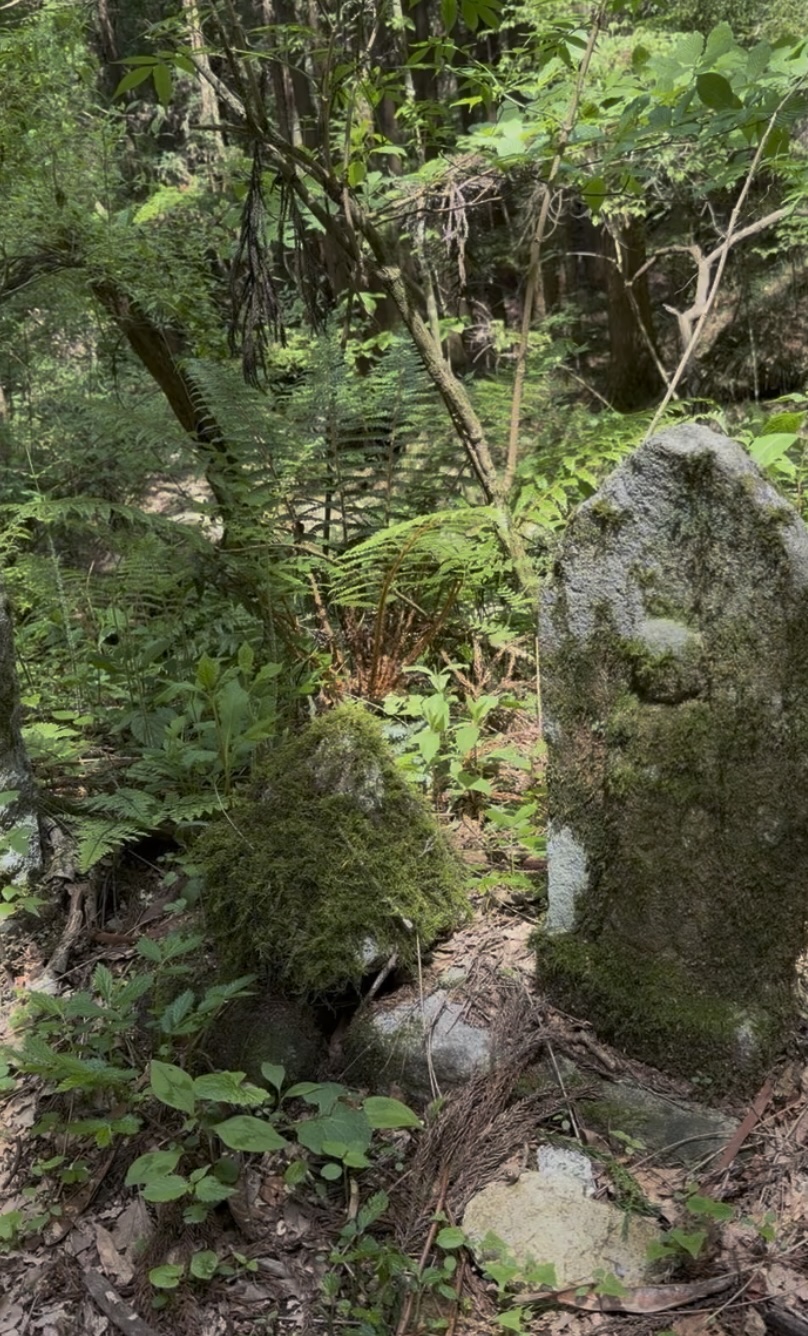
The Narai Nakasendo Trail is one of the most scenic sections of the Nakasendo, connecting Yabuhara and Narai-juku through historic Torii Pass.
Another beautiful section is the walk Narai Nakasendo Trail Narai Nakasendo Trail via Torii Pass via historic Torii Pass. Compared with Magome and Tsumago, this route is quieter and offers a deeper mountain atmosphere.
- Distance: Approximately 6 km from Yabuhara to Narai
- Walking time: Around 2.5 to 3 hours
- Elevation: About 300 m up and 300 m down
- Optional extension: Narai-juku to Kiso-Hirasawa, about 2 km and 30 minutes
- Difficulty: Moderate
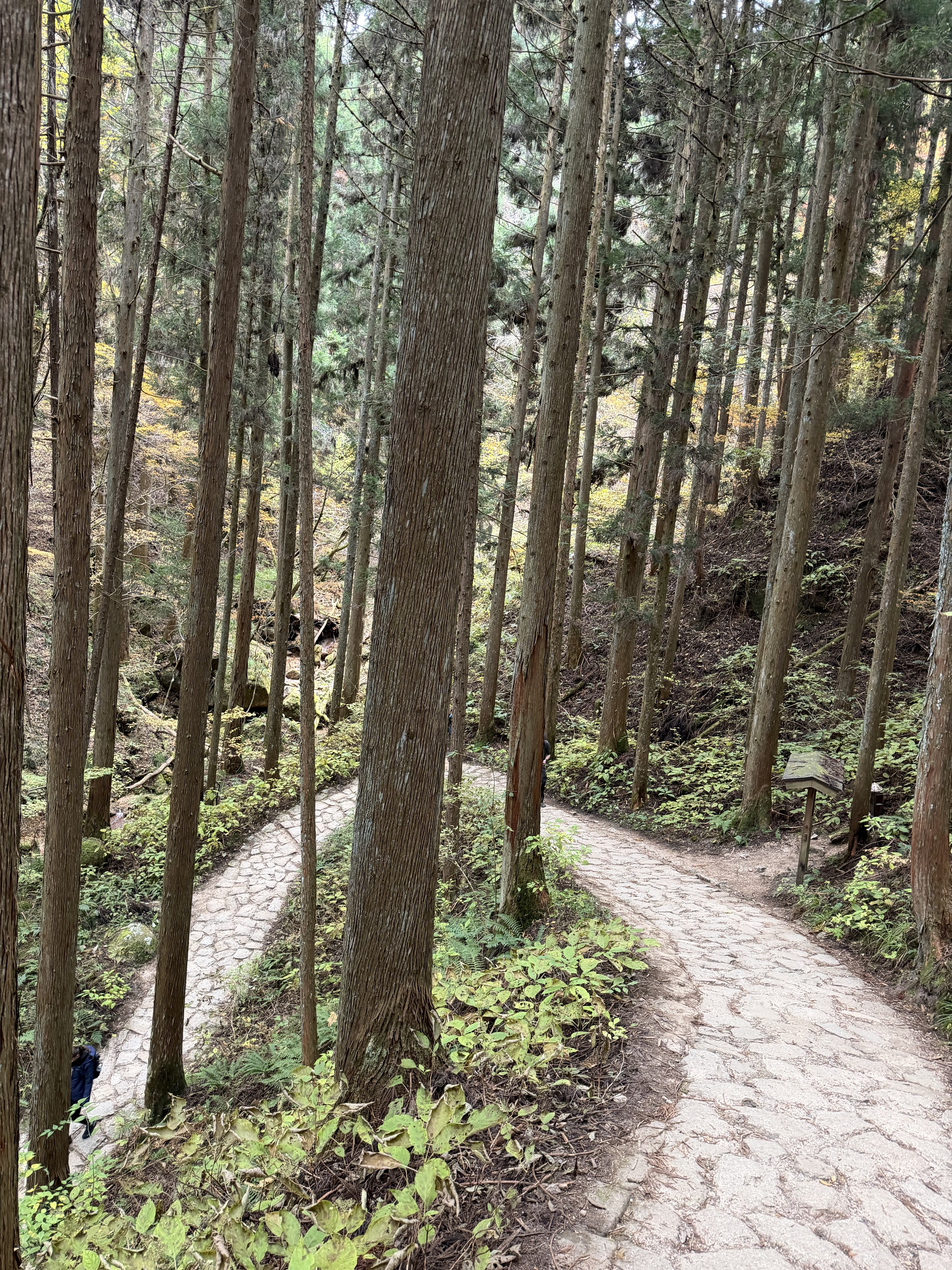
- Highlights: Cedar forest, Torii Pass, Narai-juku, and Kiso-Hirasawa lacquerware town
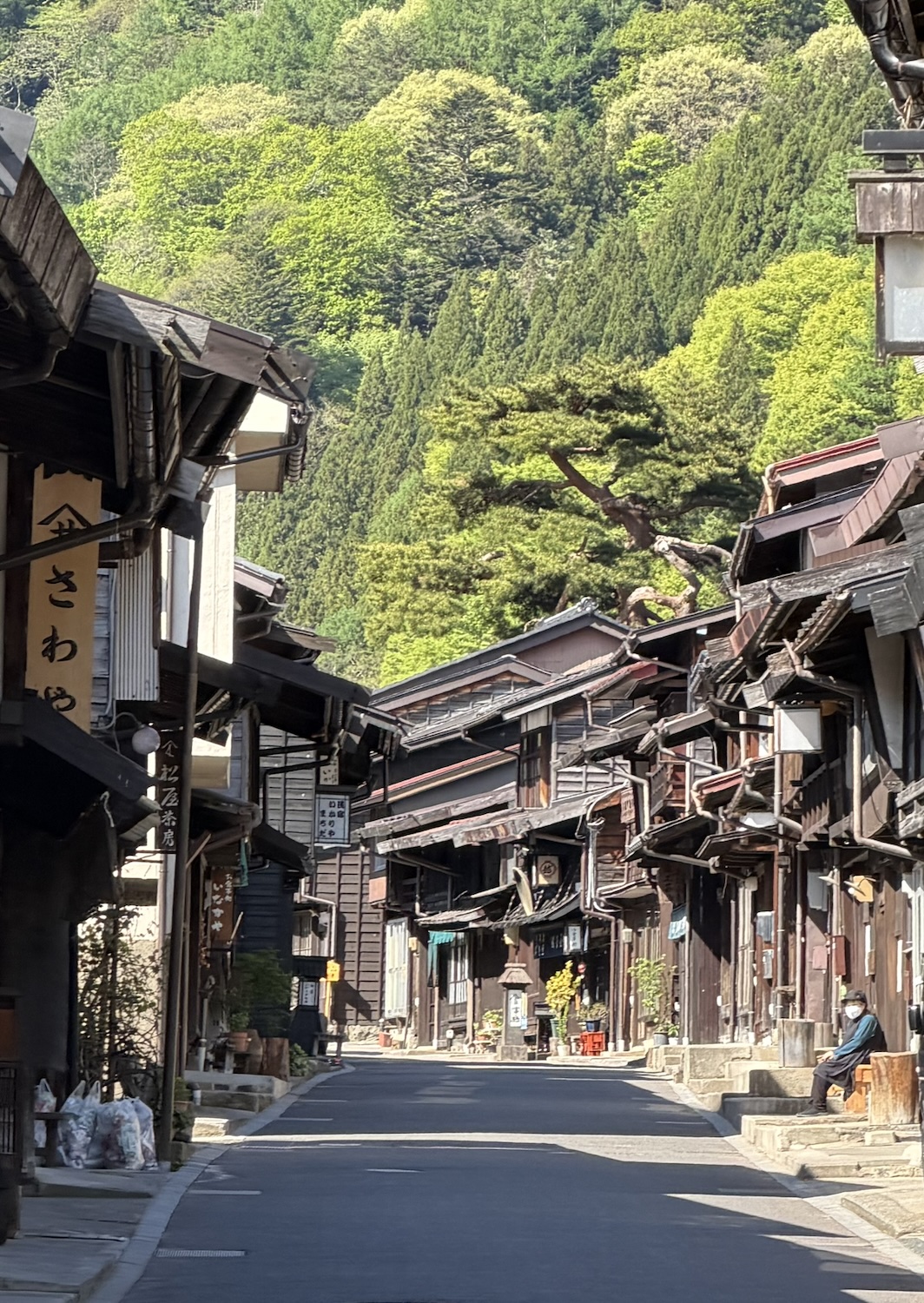
Narai-juku is one of the best-preserved post towns on the Narai Nakasendo Trail and the wider Nakasendo route. Nearby Kiso-Hirasawa is famous for traditional lacquerware. Together, they offer a refined journey through history, craftsmanship, and mountain culture.
This route can also be enjoyed as part of the Nakasendo Private Tour .
When Is the Best Time to Walk the Nakasendo?
The short answer is spring and autumn. These seasons offer the most comfortable temperatures and the most beautiful scenery along the trail.
More
In the Kiso Valley, cherry blossoms usually reach their peak in mid-April, while autumn brings spectacular colors to the surrounding mountains.
Summer can be hot and humid, but more than half of the Magome–Tsumago trail is shaded by trees, making it surprisingly comfortable even in midsummer.
Winter has its own charm as well. Snow is usually not very deep, and with proper traction devices such as crampons, walkers can enjoy a peaceful and atmospheric landscape that feels very different from the busier seasons.
As a result, the Nakasendo can be enjoyed throughout the year, with each season offering a unique experience.
Nakasendo for Seniors
The short answer is yes. Many seniors successfully walk the Nakasendo every year.
More
The most popular route, Magome to Tsumago, is about 8 kilometers long and can be completed at a relaxed pace with regular breaks.
In my experience as a local guide, the oldest guest to complete the walk was an 88-year-old man, followed by an 84-year-old woman. Both finished the route in about four hours.
For those who prefer a shorter walk, a highlight section of around 5 kilometers can also be arranged. Along the way, there are rest areas, tea houses, toilets, and beautiful viewpoints.
To make the journey more comfortable, Ryo provides walking sticks free of charge for guests who would like extra support on the trail.
Guiding Senior Guests on the Nakasendo
Ryo is now 61 years old, and about half of the guests he welcomes on the Nakasendo are older than he is.
One of the greatest joys of guiding the Nakasendo is listening to the life stories of these experienced travelers and sharing the journey together.
★★★★★
“One of the highlights of our trip to Japan.”
— A couple in their seventies from Los Angeles, USA
Hidden Nakasendo Route: The Yogawa Trail, Atera Valley, and Kakizore Valley
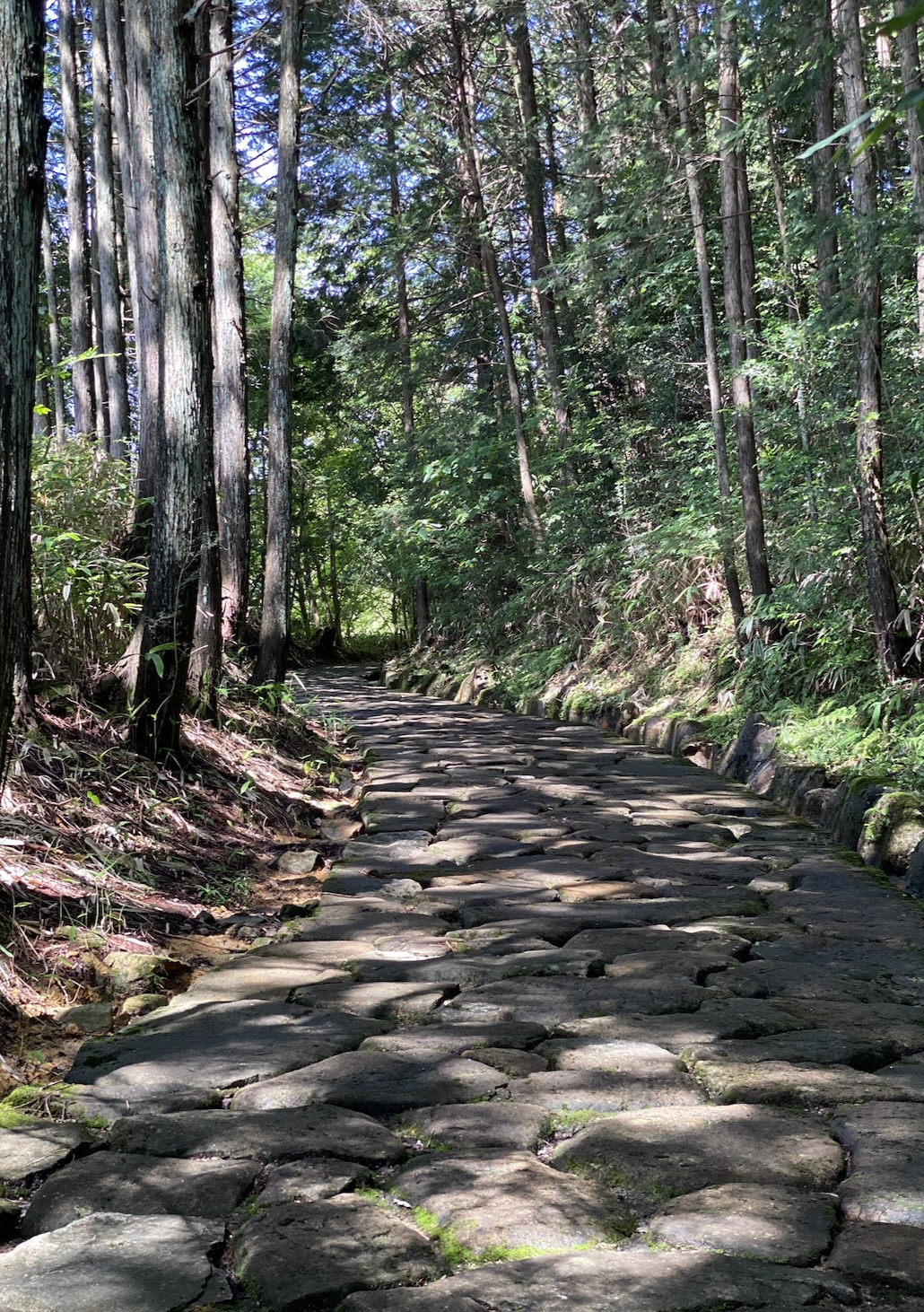
The Yogawa Trail is one of the hidden gems of the Nakasendo area. Unlike the famous Magome-to-Tsumago section, this route receives very few visitors.
More
Walkers can enjoy quiet forests, old stone-paved paths, and a stronger sense of the old highway as it once was.
Strictly speaking, the Yogawa Trail was not the official Nakasendo route. It developed as an alternative route when the Kiso River often became difficult to cross because of flooding.
For this reason, it has preserved a deep and quiet atmosphere of the Edo period.
- Distance: Approximately 16 km
- Elevation gain: Around 800 m
- Difficulty: Challenging
- Atmosphere: Quiet, historic, and far less crowded
- Travel note: Public transportation is limited, so advance taxi arrangements are recommended.
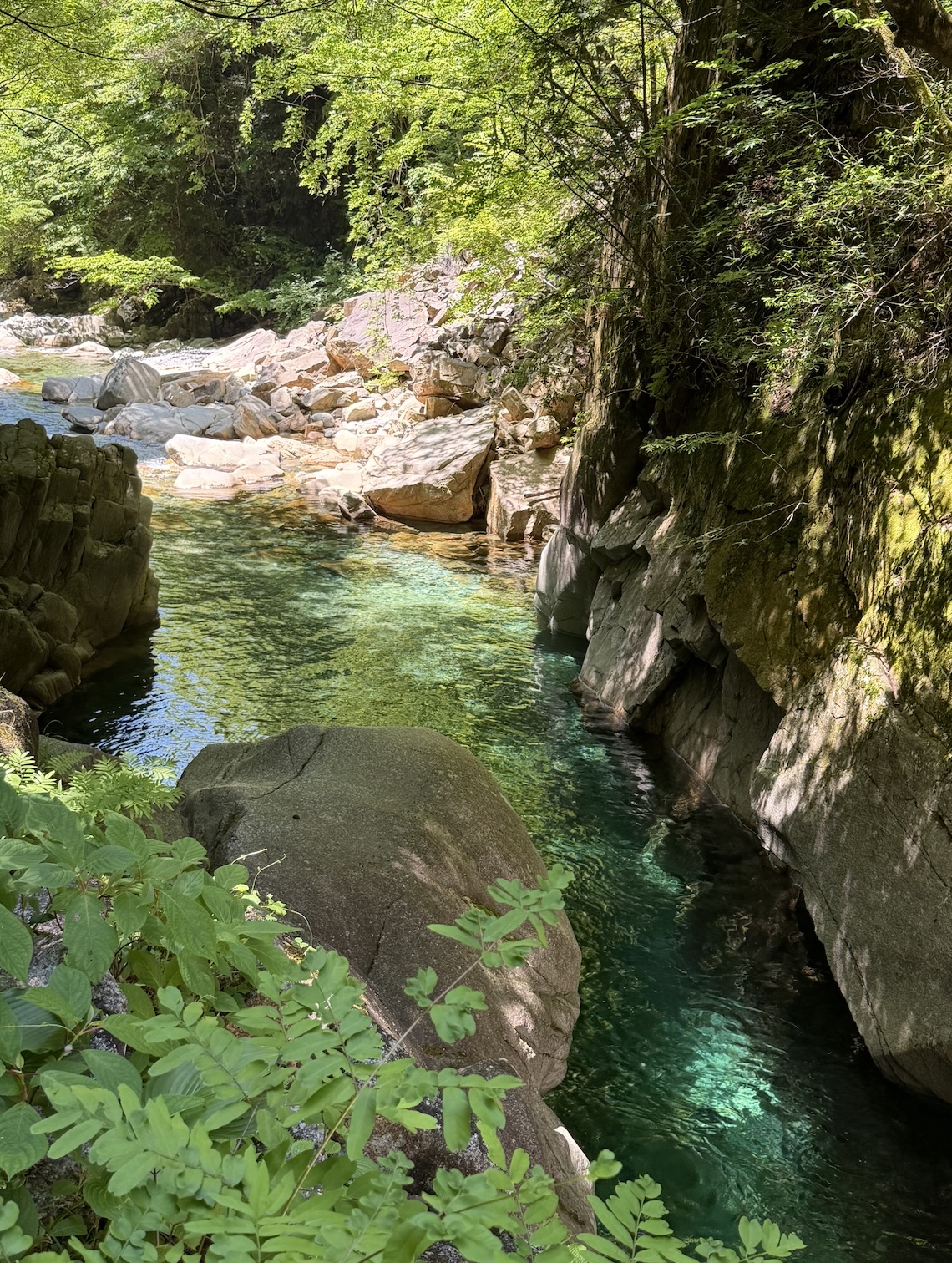
Atera Valley (Atera Gorge) Famous for its crystal-clear “Atera Blue” water, Atera Valley offers some of the most beautiful river scenery in the Kiso Valley. In summer, relaxing by the river and enjoying the water is one of the area's greatest attractions. Kakizore Valley (Kakizore Gorge) A hidden gorge near Tsumago, Kakizore Valley features emerald-green water, granite cliffs, and the beautiful Ushigataki Falls. To reach the falls, visitors need to climb about 150 steps. Both valleys offer pleasant hikes of about 30 minutes to 1 hour. As they are located roughly 10 kilometers from the Nakasendo Trail, they are best explored as part of a private car journey. For detailed information about the Yogawa Trail, including route highlights, difficulty, and guide fees, please contact me via the "Inquire Privately" button.
For travelers who want to explore beyond the most popular sections, the Yogawa Trail, Atera Valley, or Kakizore Valley valoffers a peaceful and authentic Nakasendo experience.
Why Walk the Nakasendo with Ryo?
Walking the Nakasendo by yourself is possible, but walking with a local guide can turn a simple hike into a truly special journey.
Born and raised along the Nakasendo, with family roots in the region's traditional bakuro (horse handler) culture, Ryo offers private journeys shaped by local history, craftsmanship, and genuine hospitality. Having guided guests from more than 30 countries along the Magome–Tsumago section of the Nakasendo Trail, he helps transform a simple walk into a meaningful journey through the heart of rural Japan.
With a guide rooted in the Nakasendo, your hike becomes more than walking. It becomes a meaningful journey through history, nature, and local life. Learn more about Ryo's Philosophy →.
Hidden Viewpoints
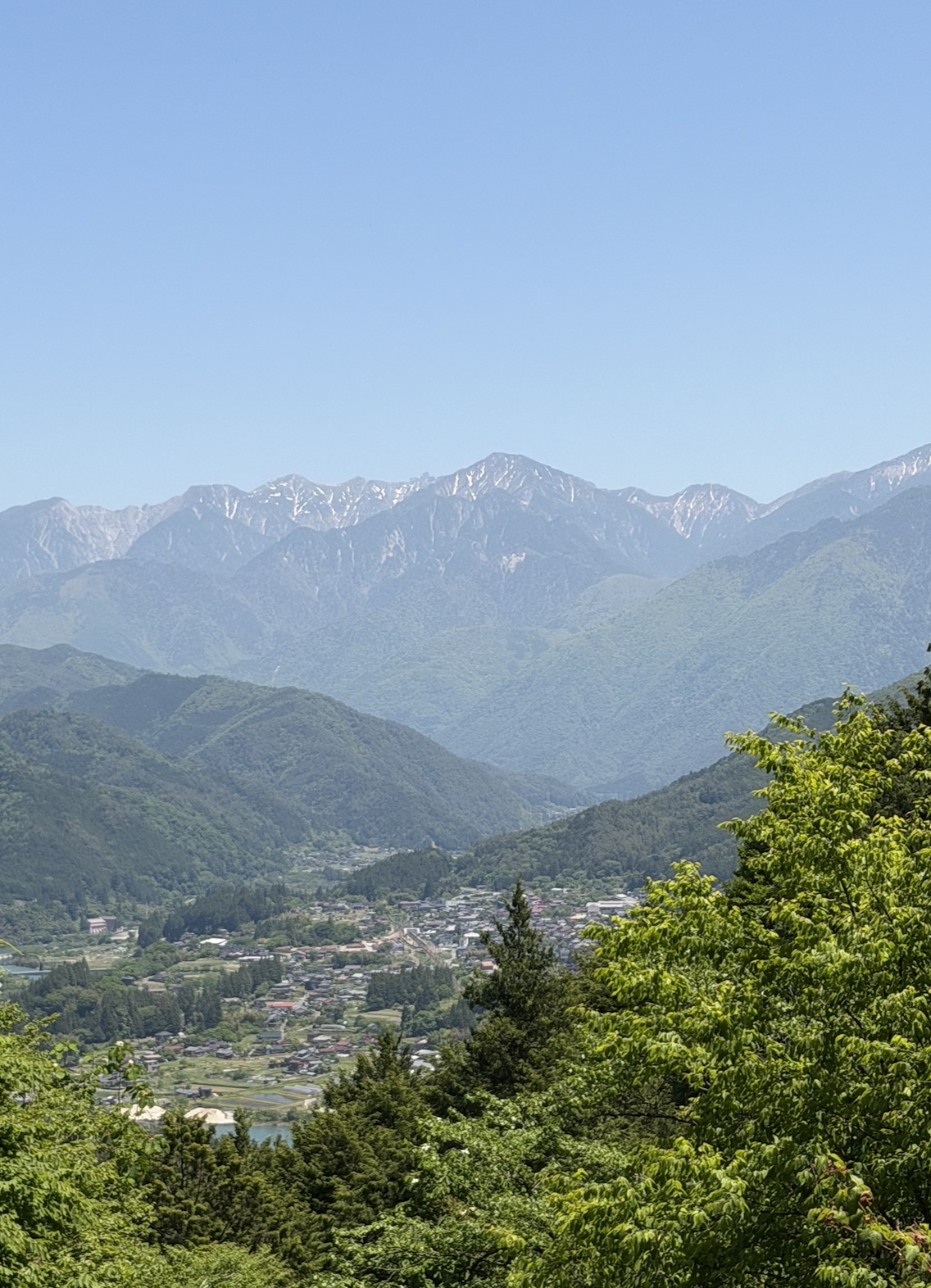
Enjoy quiet places along the trail where you can take in beautiful views away from the crowds.
Local Stories
The Nakasendo is filled with stories of travelers, old customs, mountain life, and local people.
Comfortable Pace
A private tour allows you to walk at your own pace, stop for photos, enjoy snacks, and relax beside clear streams.
How Difficult is the Nakasendo Trail?
Is the Nakasendo Trail difficult?
The Magome-to-Tsumago and Yabuhara-to-Narai sections are moderate. There are uphill and downhill parts, but most healthy travelers can enjoy the walk with comfortable shoes.
More
Magome to Tsumago: Distance: Approximately 8 km Walking time: Around 3 to 3.5 hours Elevation: About 200 m up and 400 m down
Yabuhara to Narai via historic Torii Pass: Distance: Approximately 6 km from Yabuhara to Narai Walking time: Around 2.5 to 3 hours Elevation: About 300 m up and 300 m down. Optional extension: Narai-juku to Kiso-Hirasawa, about 2 km and 30 minutes. To make the journey more comfortable, Ryo provides walking sticks free of charge for guests who would like extra support on the trail.
Which section is more difficult?
Magome to Tsumago is the easiest and most popular choice for first-time visitors. Yabuhara to Narai via Torii Pass is also moderate, but it feels quieter and more mountainous.
More
The Yogawa Trail is much longer and more demanding, so it is best for experienced walkers.
Nakasendo or Kumano Kodo?
Many travelers compare the Nakasendo Trail and the Kumano Kodo when planning a walking journey in Japan. Both are historic routes, but they offer very different experiences.
Nakasendo or Kumano Kodo: which is better?
The short answer is that neither trail is better—they simply offer different experiences. The Nakasendo developed as an important highway during the Edo period and was carefully controlled by the Tokugawa shogunate.
More
It served as a vital route for travel, commerce, and communication between Kyoto and Edo. The Kumano Kodo, by contrast, flourished as a network of pilgrimage routes leading from Kyoto and other parts of Japan to the sacred Kumano shrines in the Kii Peninsula. Today, both trails offer beautiful scenery and a deep connection to Japanese history. The Nakasendo is often associated with post towns and samurai-era culture, while the Kumano Kodo is known for its spiritual heritage. Rather than asking which is better, it is more meaningful to ask which story of Japan you would like to experience.
My personal impressions based on walking the Nakasendo and Kumano Kodo
One of the most famous sections of the Kumano Kodo is Ogumotori-goe, a route of approximately 15 kilometers with around 800 meters of cumulative ascent. In my experience, it is roughly comparable in difficulty to the Yogawa Trail on the Nakasendo, which covers about 16 kilometers with a similar amount of elevation gain.
More
That said, Ogumotori-goe includes long climbs and steep stone stairways, so some hikers may find it more demanding than the Yogawa Trail.
By contrast, Kogumotori-goe is approximately 13 kilometers long with around 400 meters of cumulative ascent. To me, it feels similar in difficulty to walking from Nakatsugawa to Tsumago via Magome on the Nakasendo.
Many walkers seeking the Dual Pilgrim certification choose the section from Hosshinmon-oji to Kumano Hongu Taisha. This route is about 7 kilometers long with roughly 200 meters of ascent and can be considered a gentle hike. In fact, it is considerably easier than the walk from Torii Pass on the Nakasendo.
The appeal of the Kumano Kodo lies in the trail itself. It is, above all, a journey along ancient pathways through forests, mountain landscapes, and traditional rural Japan. The Nakasendo, on the other hand, offers a greater variety of experiences. In addition to quiet country roads and historic trails, walkers encounter beautifully preserved post towns, stone-paved paths, and villages where local life continues much as it has for generations. Along the way, one can also glimpse the often harsh realities of how the region was governed under both the Tokugawa Shogunate and the Meiji government.
My personal impression is that the Kumano Kodo is a pilgrim's path, while the Nakasendo is a traveler's road. Both are remarkable historic routes, yet despite their similarities as ancient trails, they offer distinctly different experiences and rewards.
Nakasendo Private Tour with a Local Guide
Discover the historic samurai road, beautiful mountain villages, quiet forest paths, hidden routes, and the refined charm of rural Japan.
Nakasendo Private Tour Nakasendo Private Car Tour Inquire Privately Top