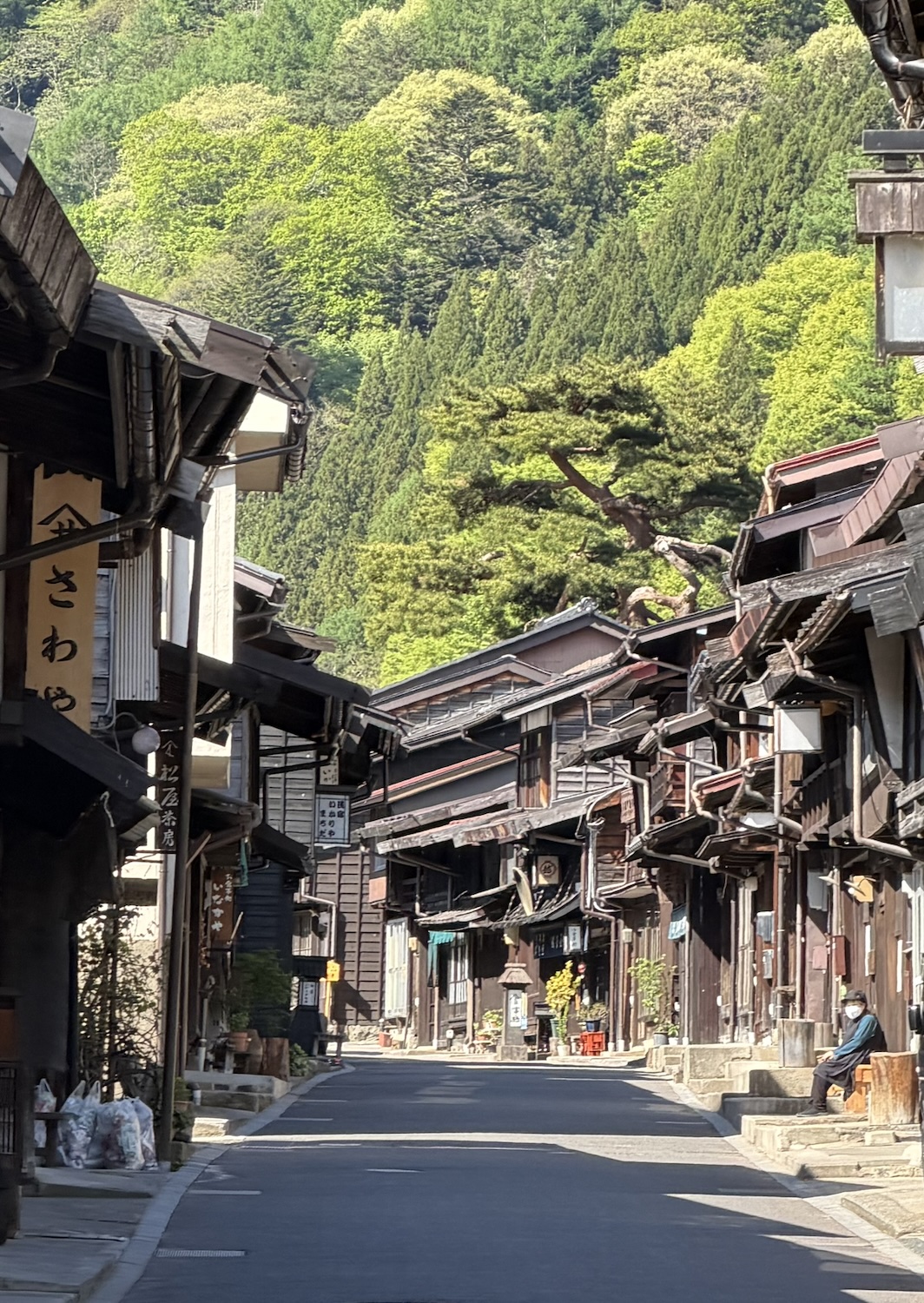
Narai-juku flourished during the Edo period as the thirty-fourth post town of the sixty-nine stations of the Nakasendo. It was once so prosperous that it came to be known as “Narai of a Thousand Houses.”
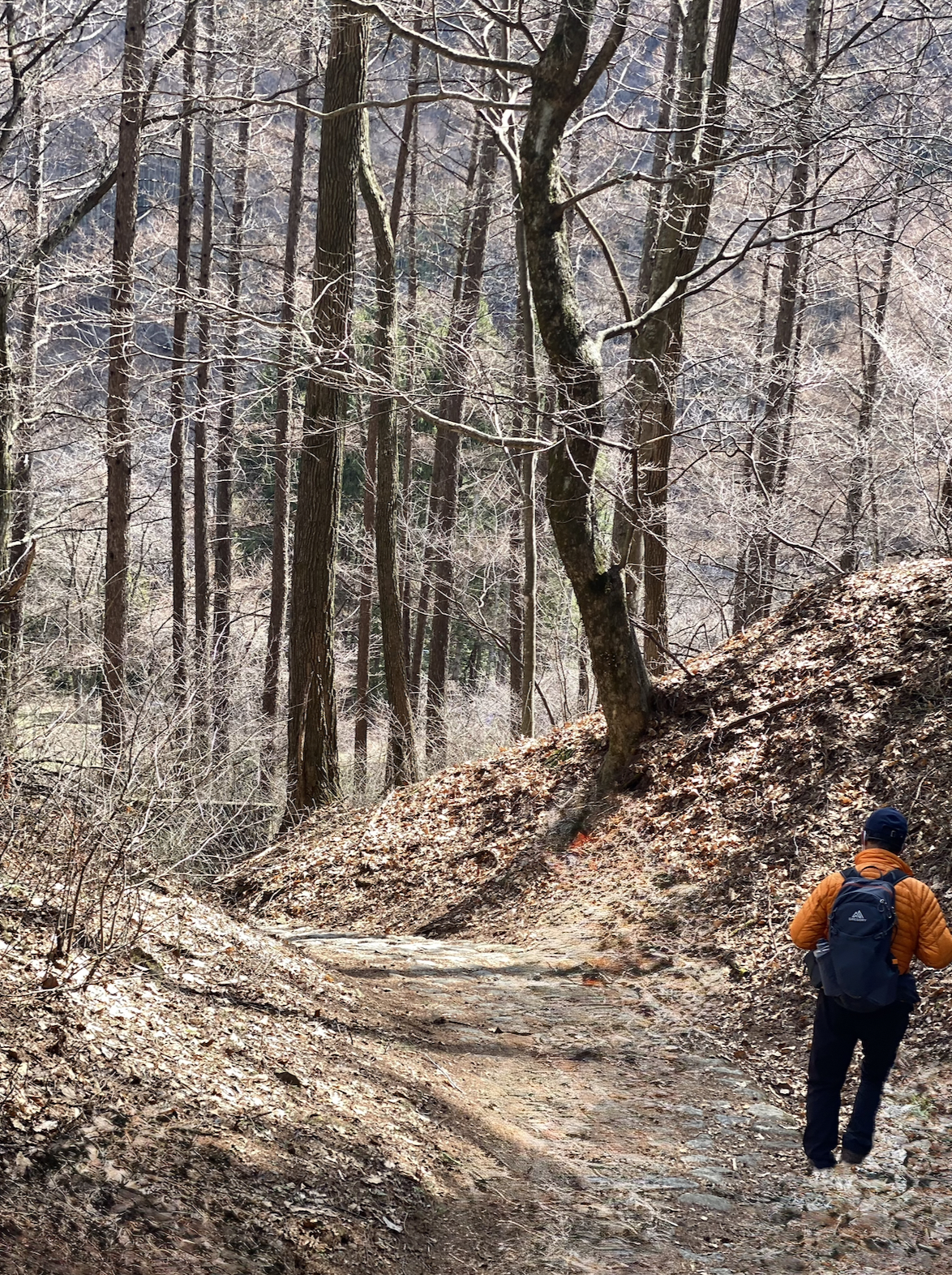
The reason for this prosperity becomes clear when you actually walk the Nakasendo. To continue west from Narai, travelers had no practical alternative but to cross Torii Pass, located just beyond the western edge of the town. Rising to an elevation of 1,197 meters, the pass was one of the great challenges of the route.
Before facing such a climb, a place to rest was not merely convenient — it was essential. Narai-juku therefore became an important stopping point for travelers preparing to cross the mountains.
Today, Narai-juku preserves a beautiful townscape stretching for about one kilometer. Among the post towns of the Nakasendo, it is one of the places where the atmosphere of the Edo period remains most vividly alive.
Why has so much of this historic character survived? I believe there are three main reasons.
The first is the dedication of the local people. Preserving an old townscape against the pressures of modernization is never easy. The second is that Narai escaped the great fires that destroyed many other historic towns. Even today, a number of houses from the mid-Edo period can still be seen.
The third is geography. Narai lies somewhat apart from the larger regional cities of Nagano, and this relative distance helped protect it from large-scale development.
Together with neighboring Kiso-Hirasawa, Narai is also known as a center of Kiso lacquerware, offering visitors the chance to encounter traditional craftsmanship and local culture.
When you visit Narai-juku, I strongly recommend crossing Torii Pass as well. And if possible, walk through the town in the early morning or in the evening. At those quiet hours, you may truly feel the history and atmosphere I have just described.