The Stone Pavements of the Nakasendo
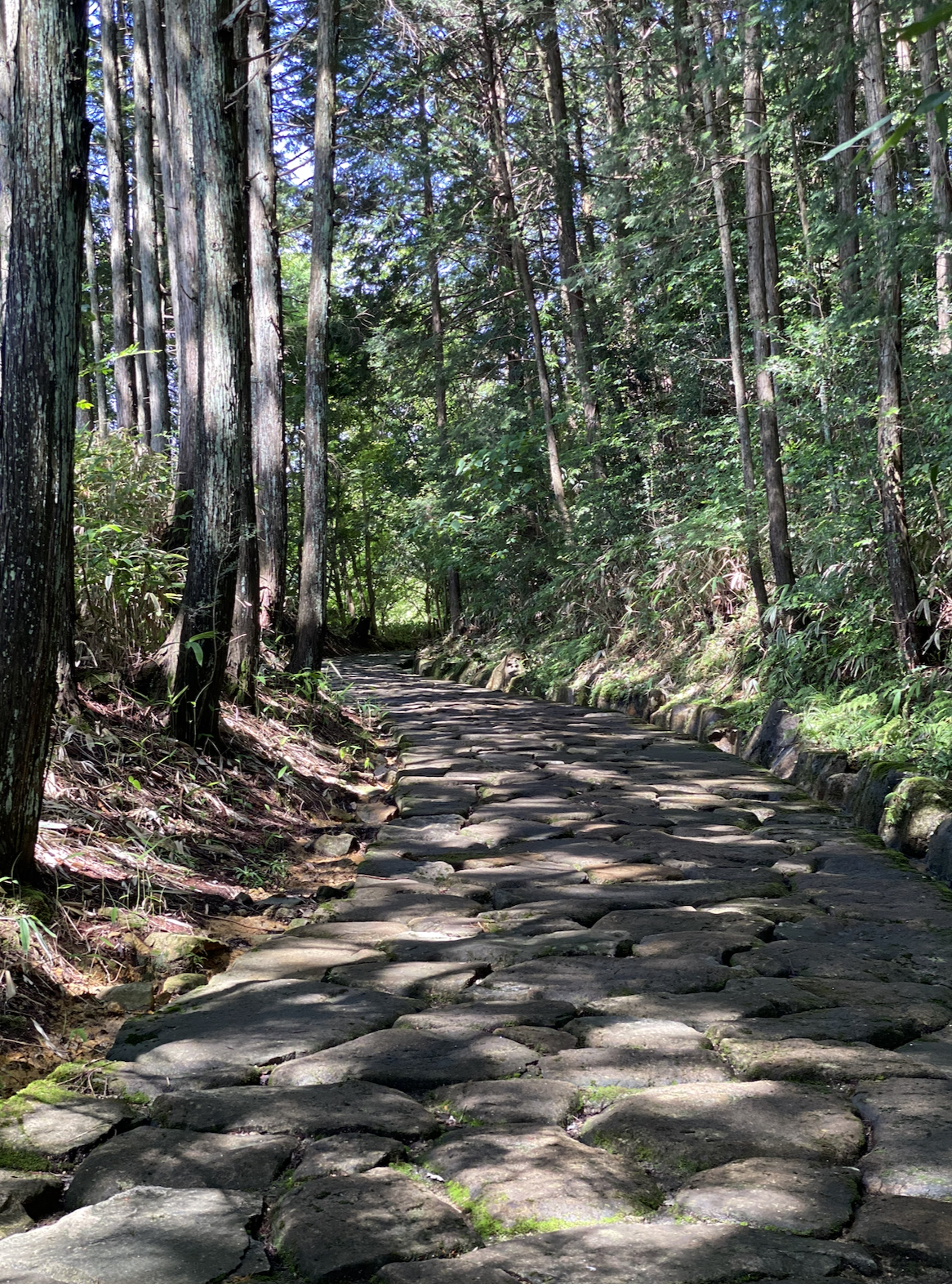
Walking the Nakasendo, one encounters many different kinds of stone paving. Some sections are believed to date back to the Edo period, while others were restored or reconstructed in more recent times.
Among them, the stone pavements at Ochiai and Biwa Pass have always been my favourites.
The Ochiai section is remarkably wide — broad enough for an entire procession to pass along it — and its carefully moderated gradient reflects an impressive degree of engineering. It appears to embody everything that a well-constructed mountain road should achieve: keeping the route passable in wet weather, stabilising the surface on a steep slope, and allowing rainwater to drain away.
To me, it is as much a work of art as it is a feat of civil engineering.
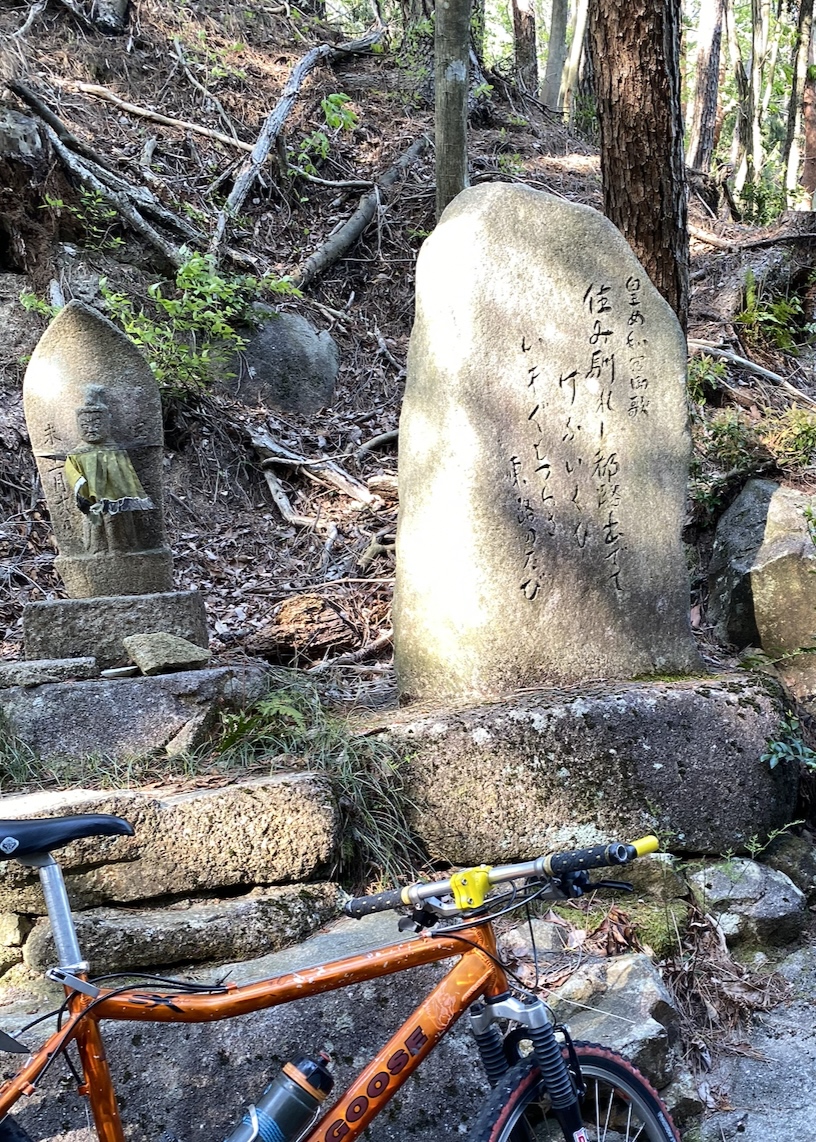
The stone pavement at Biwa Pass creates a rather different impression. Laid across an exceptionally steep incline, it seems to have been designed above all to protect the road itself from erosion, the movement of soil, and eventual collapse.
Stone paving on Japan’s historic mountain roads served several practical purposes. It kept routes passable after rain, provided a firmer surface for travellers and horses, stabilised steep gradients, improved drainage, and reduced the loss of soil from the road.
The improvements made to the old Tokaido at Hakone are comparatively well documented. In 1680, the Tokugawa shogunate ordered sections of the mountain road to be paved with stone, and the work was carried out through obligations imposed upon local villages.
For the Kiso section of the Nakasendo, however, I have yet to encounter comparable official documents describing the original construction of its stone pavements or the precise orders under which the work was undertaken.
Nevertheless, the Kiso Road crosses terrain every bit as rugged as Hakone. It therefore seems entirely reasonable to suppose that the same practical concerns — mud, drainage, slope stability, erosion, and the long-term preservation of the road — also guided the construction of the stone pavements at Ochiai, Biwa Pass, Magome Pass, Torii Pass, and elsewhere along the route.
One cannot help but imagine the villagers who quarried, carried, and laid these stones, perhaps under obligations imposed by the authorities. Their names have long since disappeared from the historical record, yet the roads they created have continued to bear the footsteps of travellers for generations.