★★★★★
Unforgettable Journey
“His gentle encouragement and patience helped me succeed in this mountain hiking challenge.”
A couple in their seventies from Los Angeles, United States.
National Government Licensed Guide Interpreter | GIFU EN00154
Walk the historic samurai road on a Nakasendo Private Tour through Magome, Tsumago, Narai, Torii Pass, Atera Valley, and Kakizore Valley.
Born and raised along the old Nakasendo, with deep Bakuro family roots, Ryo curates Nakasendo Private Tours and Nakasendo Private Car Tours shaped by history, craftsmanship, nature, and quiet local hospitality.
The Nakasendo Trail was one of the five major routes of old Japan, connecting Kyoto and Edo through the mountains of central Japan. Samurai, merchants, pilgrims, and travelers once walked this road on foot.
Today, many travelers search for a Nakasendo private guide, a Nakasendo private tour, or a Nakasendo trail private tour because they want more than a simple walk. They want local stories, safe pacing, hidden viewpoints, and a deeper understanding of the old road.
Today, the Nakasendo is loved for rural villages, preserved post towns, forest paths, waterfalls, clear streams, and a slower way of encountering Japan.
Magome, Tsumago, and Narai preserve the atmosphere of old Japan with wooden houses, stone paths, and mountain views.
The trail passes through forests, rivers, small villages, waterfalls, and quiet countryside.
With a Nakasendo private guide, the walk becomes more than sightseeing: stories, customs, food, and lived tradition come alive.
The classic first-time Nakasendo Trail Private Tour route: about 8 km, 3 to 3.5 hours, moderate difficulty, with post towns, forest paths, waterfalls, a teahouse, and mountain scenery.
A quieter Nakasendo private tour route with cedar forests, Torii Pass, Narai-juku, and nearby Kiso-Hirasawa, known for lacquerware.
A hidden and more demanding Nakasendo-area route, combined beautifully with Atera Valley or Kakizore Valley as a Nakasendo Private Car Tour.
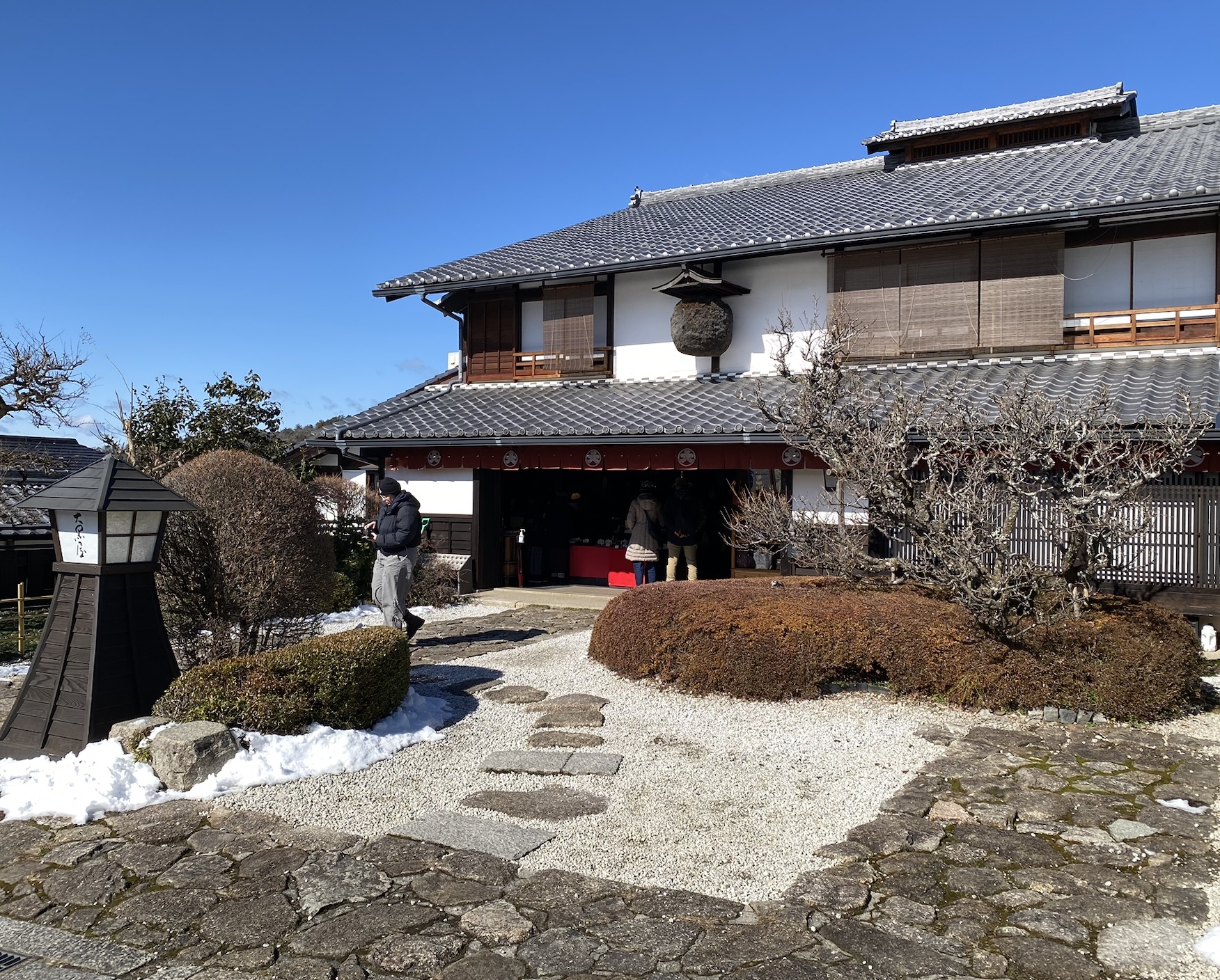
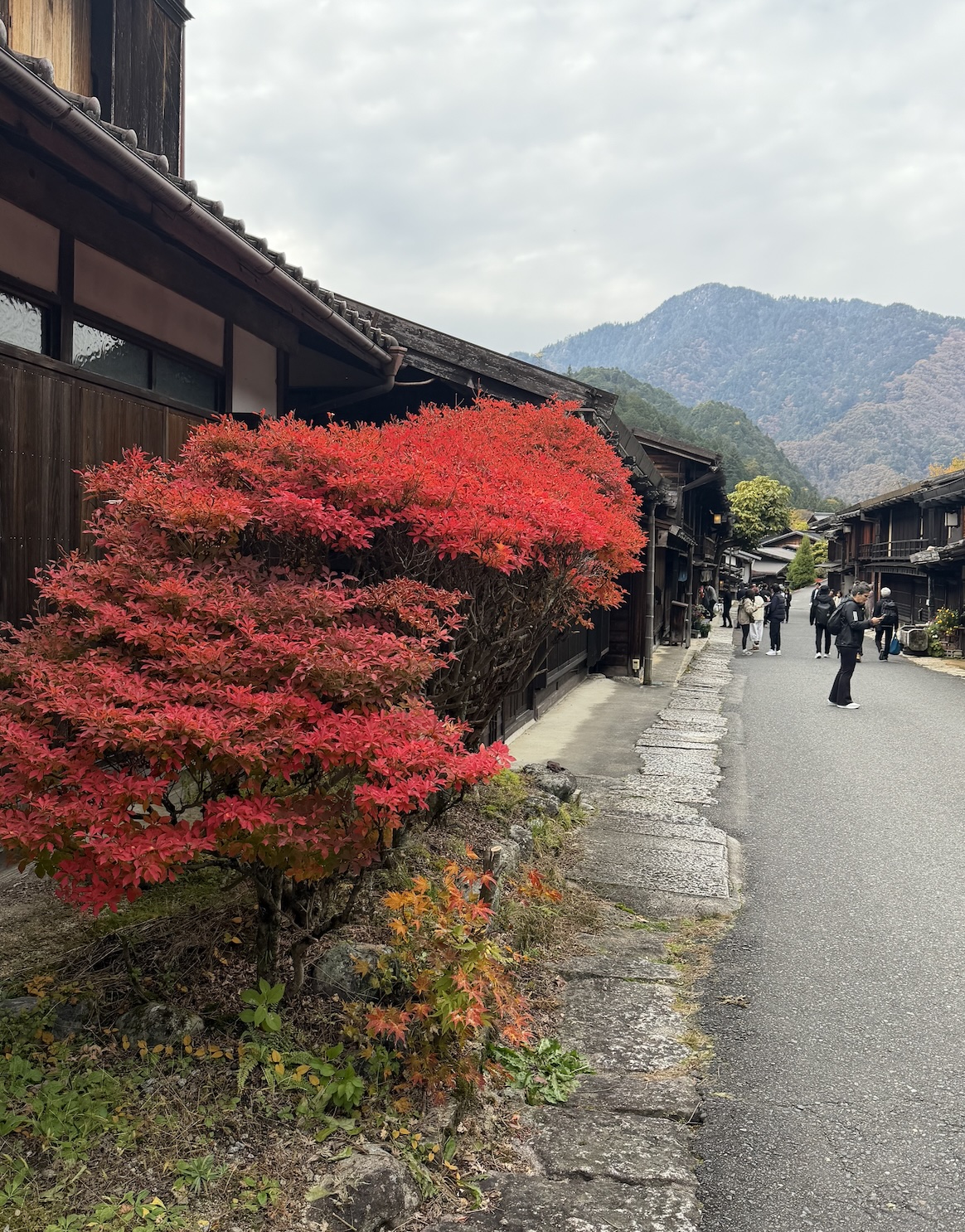
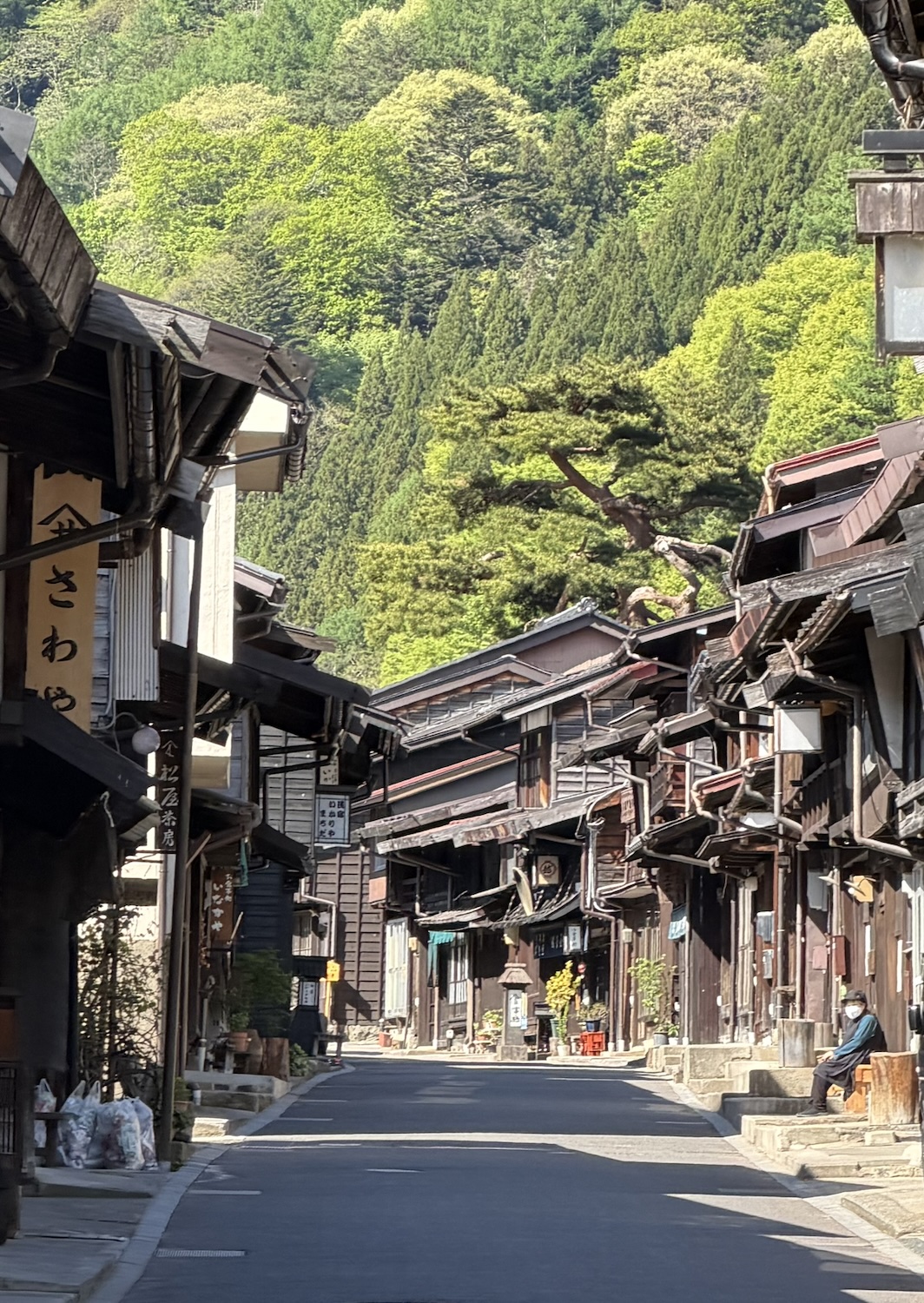
A Nakasendo Private Guide helps travelers discover the old road through local memory, history, village life, and quiet places that are easy to miss on a self-guided walk.
With Ryo Yoshimura, your Nakasendo Private Tour can be shaped around your pace and interests: Magome to Tsumago, Narai and Torii Pass, the hidden Yogawa Trail, or a comfortable Nakasendo Private Car Tour with minimal walking.
A Nakasendo Trail Private Tour allows you to walk slowly, stop for photos, enjoy local snacks, and rest when needed.
Ryo shares Nakasendo stories, Bakuro family roots, post-town culture, and mountain village life beyond the guidebooks.
Choose a walking-focused Nakasendo Private Tour or a Nakasendo Private Car Tour through Magome, Tsumago, Narai, and the Kiso Valley.
The Magome-to-Tsumago Trail and Nakasendo Narai trail sections are moderate. There are uphill and downhill parts, but most healthy travelers can enjoy them with comfortable shoes, regular breaks, and a relaxed pace.
Many senior guests walk the Nakasendo every year. A shorter highlight walk of around 5 km can also be arranged, and Ryo provides walking sticks free of charge.
Spring and autumn are the most comfortable. Summer is shaded in many places, and winter can be peaceful with proper preparation.
The Kumano Kodo is a pilgrim’s path. The Nakasendo is a traveler’s road, rich in post towns, mountain villages, and Edo-period travel culture.
Ryo Yoshimura is a National Government Licensed Guide Interpreter and a local Nakasendo Private Guide born and raised near the Nakasendo in Gifu. His Nakasendo Private Tours are rooted in the old road, local memory, and family stories connected to the Bakuro horse-handler culture.
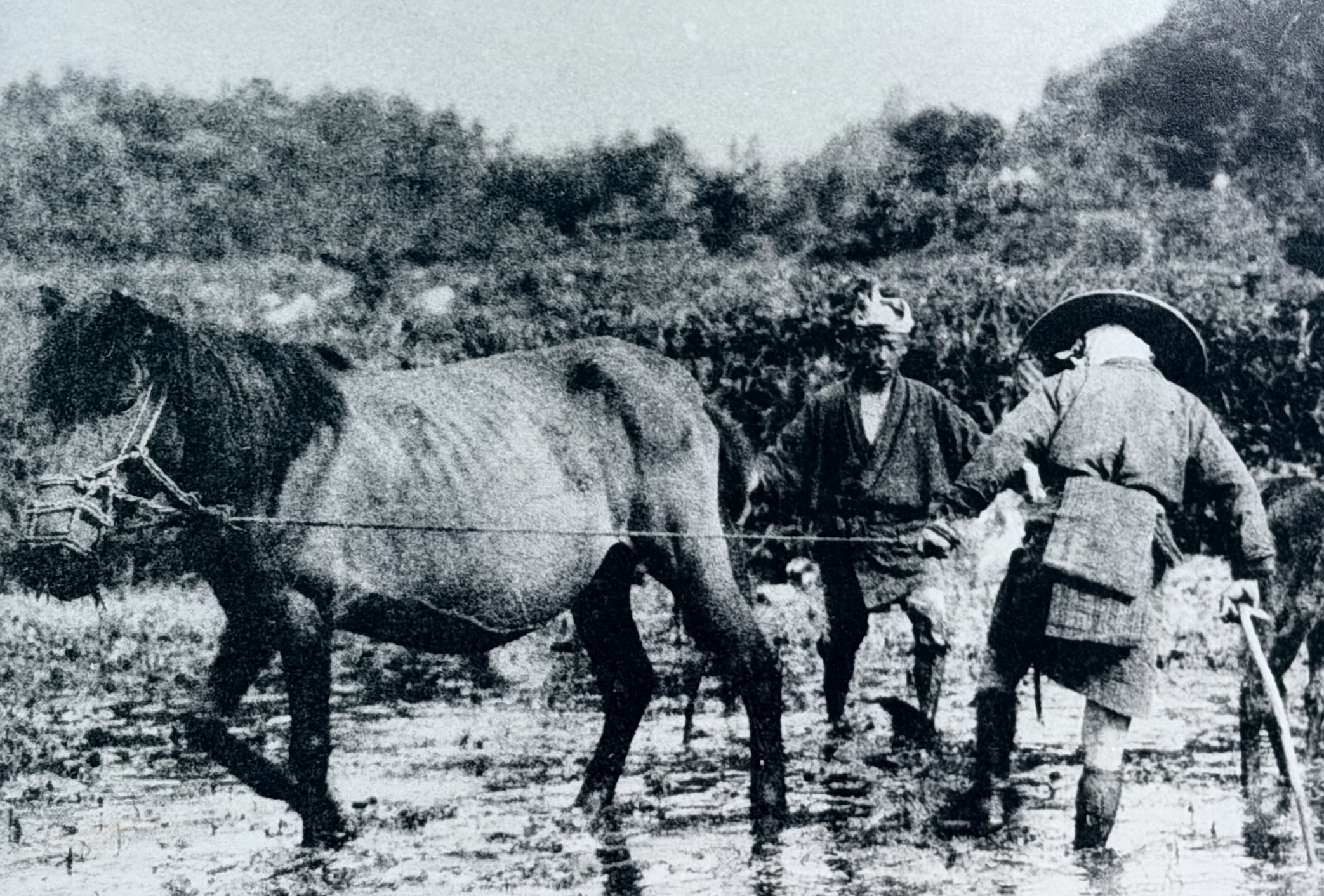 Ryo’s Origin Story
What is Bakuro?
A personal story behind the old road: horses, hardship, markets, and the quiet reality of life along the Nakasendo.
Ryo’s Origin Story
What is Bakuro?
A personal story behind the old road: horses, hardship, markets, and the quiet reality of life along the Nakasendo.
Thoughtful pacing, quiet comfort, and private arrangements designed around each guest.
Local stories, craftsmanship, family history, and cultural nuance that guidebooks often miss.
Walking journeys, private car travel, food culture, photography stops, and meaningful local encounters.
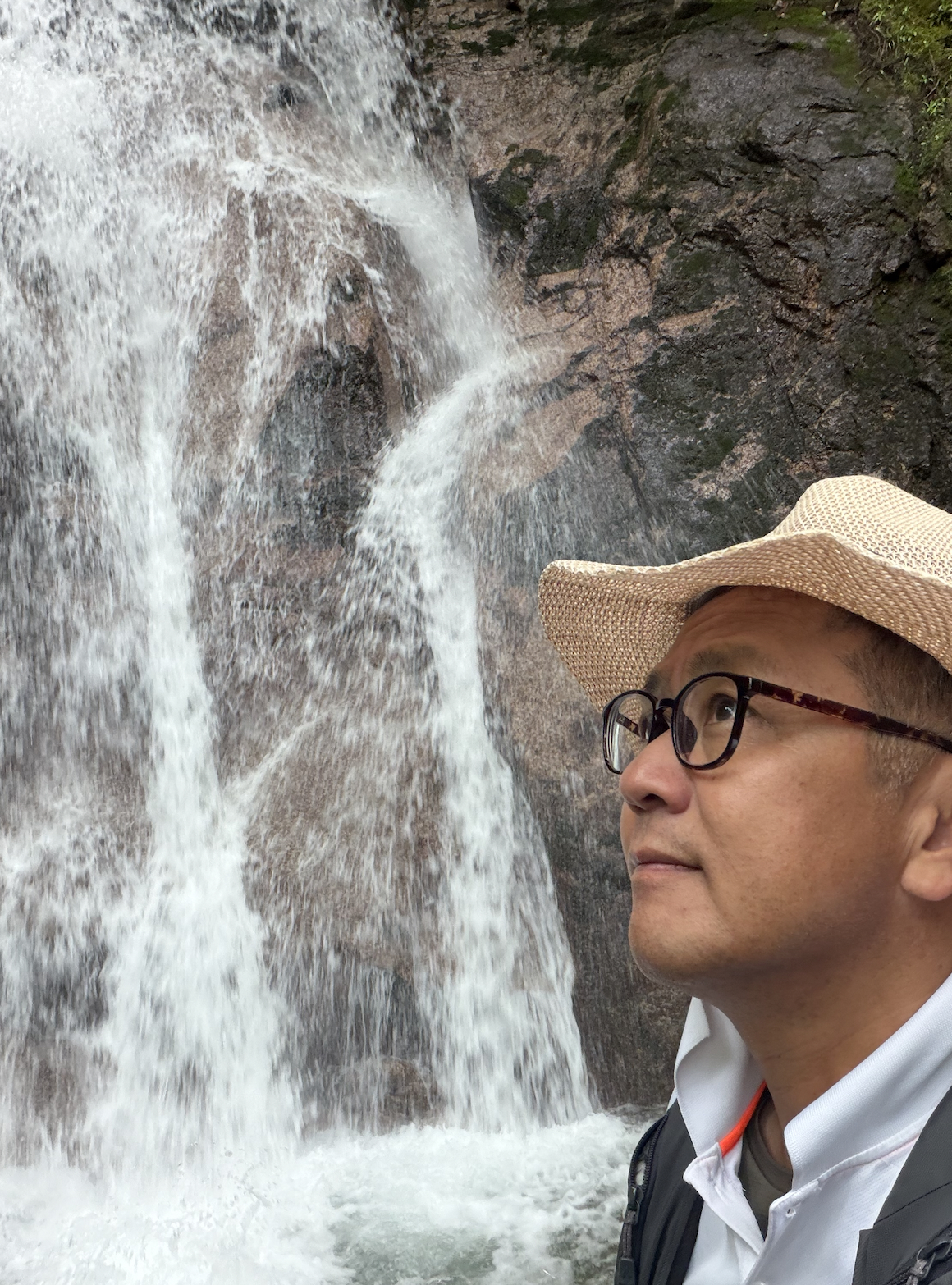
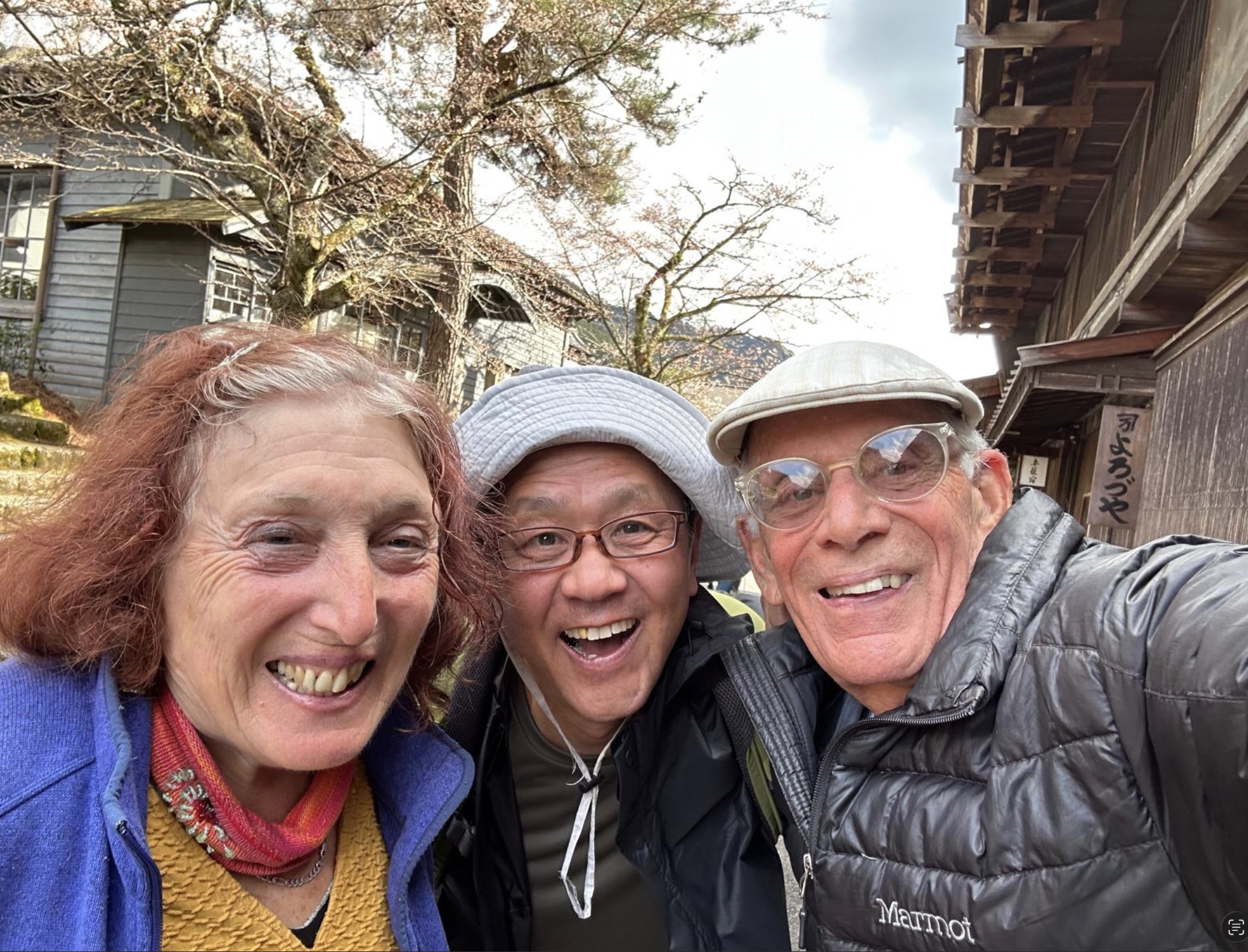
Guests describe Ryo’s journeys as personal, flexible, thoughtful, and deeply memorable.
★★★★★
“His gentle encouragement and patience helped me succeed in this mountain hiking challenge.”
A couple in their seventies from Los Angeles, United States.
★★★★★
“He shared a touching and little-known story about the Samurai Road that we had never read in any guidebooks.”
Two lifelong friends from Munich, Germany.
★★★★★
“We walked less than 2 km in total, yet still felt the history and beauty of the Edo period.”
A family of four from Australia.
Discover the historic samurai road with a Nakasendo Private Guide through beautiful mountain villages, hidden routes, and the refined charm of rural Japan.
Inquire Privately Nakasendo Private Tour Ryo’s Philosophy Top Page